
"Red Fruit"
8000 article(s) found

90 + single bean grading standard 90 + single bean flavor description variety planting area
For the exchange of professional baristas, please pay attention to the coffee workshop (Wechat official account cafe_style) L4, L7, L12, L21, L39, L95, L195L means Level, which is classified according to the quantity produced, the refinement of processing, the difficulty and the rigor of selection. The higher the number, the lower the output, the more refined the processing, the more complex and difficult, and the stricter screening, but 90 +

What are the characteristics of 90+SK treatment? characteristics of planting history and flavor description
Professional barista communication please pay attention to the coffee workshop (Wechat official account cafe_style) SolkilnTM special treatment in 2013 original SolkilnTM special treatment, the use of wood drying chamber to dry coffee beans. After chopping the raft, the drying chamber of wood usually reduces the water content of wood beans to 10-12% through the control and regulation of temperature, humidity and air circulation. J

Basic knowledge of Fine Coffee the way of picking beans from Coffee Cherry
The beans are sweeter when the coffee is picked after it is red and ripe. If coffee farmers in order to save trouble, no matter whether the coffee fruit is ripe or not, picking it together will make the coffee sour and astringent, so the fine coffee must choose the ripe red fruit. Distinguish between floating beans and sunken beans: coffee fruits picked from coffee fields should not be mistaken and must be sent to the processing plant on the same day. Immature

90 + single bean coffee bean classification standard and rule flavor description planting history planting producing area
For professional baristas, please pay attention to the unique flavor classification and password classification of Ninety plus in coffee workshop (Wechat official account cafe_style). Ninety Plus coffee is classified according to the intensity of fruit flavor, which is different from that of traditional washing (Washed), honey treatment (Honey) and solarization (Natural). It is also W2, H2, N2, but different treatments.

Ninety Plus/90+ Dreamer single Bean Flavor description Variety planting Development History production area treatment
Because 90 + has become an indispensable topic in the boutique coffee circle in recent years, beans that have not drunk 90 + should at least know that what is popular with 90 +? the focus of the topic is nothing more than the following two points: what is the new concept of 90 +? What are the powerful new beans out of 90 +? It can be seen that 90 + is unique in concept and coffee bean output. Let's quickly understand the strength of 90 +.
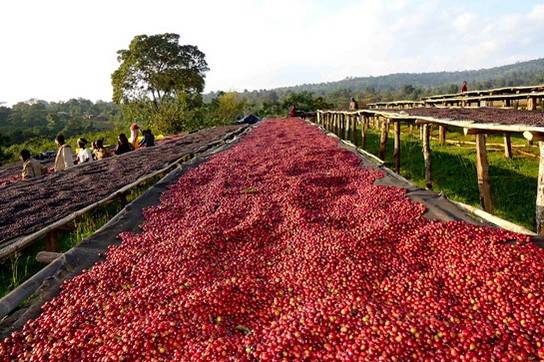
The flavor characteristics and story of G _ 1 coffee beans in the Red Cherry Project G _ 1
ETHIOPIA,YIRGACHEFFE, Cherry Red Yejasuefei Red Cherry G01 | unique geographical environment Yirga cheffe is a small town in Ethiopia with an elevation of 1700-2100 meters. It is one of the highest coffee producing areas in the world and is synonymous with Ethiopian boutique coffee. Lake Turkana, Lake Abaya, Lake Chamo to this

90 + coffee bean classification rules flavor description of species, variety characteristics, producing area information, manor information
For the exchange of professional baristas, please pay attention to the coffee workshop (Wechat official account cafe_style) Ninety Plus grading L21, L39: this is almost the world of Geisha coffee in NPGE manor, it is conceivable that for 90 +, the Geisha variety itself is a high-grade expression, so the lowest grade is also in L21. Of course, it can also be extended to think that the care of Geisha may

Ye Jia Xuefei Red Cherry is good? introduction to Sun and Water washing
Professional barista exchange please follow the coffee workshop (Wechat official account cafe_style) Yega Xuefei Red Cherry: the Red Cherry Project is a project to improve the quality of small-scale farms, mainly aimed at encouraging soybean farmers and bringing surprises to roasters. Trabocca, the largest coffee bean seller in the Netherlands, invited all Ethiopian farms to produce small quantities of about 1500-3000 kg (25,500 kg) before the harvest season.

What's the difference between red cherry Yega Chuefei and washed fruit Ding Ding Ye Jia Xuefei? Where do red cherries come from?
Yega Xuefei Red Cherry growing country: Ethiopia: Yega Xuefei treatment: sun varieties: original seed planting altitude: 1600 m Baking degree: medium to shallow roasting according to the SCA recommended handbrew coffee weight is 15g coffee powder 90 degrees to 91 degrees hot water 225ml, gouache ratio 1:15. The flavor is fruity and floral, with aromas of berries, lemon and jasmine.

What are the characteristics of the classification rules of 90 + coffee beans? what is the flavor to describe the varieties in the producing area?
For professional baristas, please follow the coffee workshop (Wechat official account cafe_style) 90 + wild ginger flower W2 Ninety Plus Kemgin W2 ■ country: Ethiopia ■ name: 90 + wild ginger flower W2 ■ producing area: Wellega,Sidama,Yirgacheffe ■ grade: W2 L7 ■ altitude: 1750 2000m ■ variety: Heirlooms ■ packaging: 30KG ■
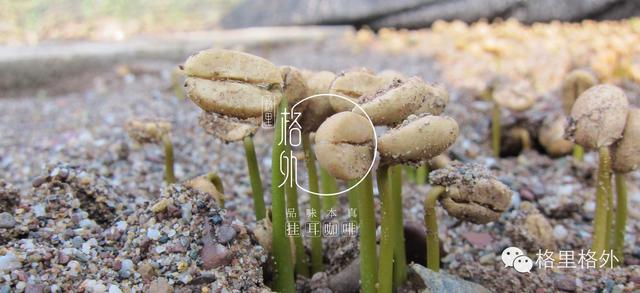
Coffee beans used to look like this. A diagram of the process of coffee beans from seed to treatment to roasting.
Illustrate the whole process of coffee from bud, seedling, flower, fruit to bean. The growth process of beans: seedlings, flowers, green fruits, red fruits. Anatomical picture of coffee bean fruit! According to the order, green fruit, green fruit anatomy red fruit, red fruit tissue, red fruit anatomy. Bean processing process 1: sunburn bean processing process 2: washing bean processing process 3: honey treatment source: Grieg outside

Introduction to the flavor and taste of coffee beans treated with Maharani-red honey in Godagu County, India
Maharani-Red Honey treats fresh fruit flavor, taste fresh and supple, aftertaste chocolate and nuts, ripe sweet fruit aroma, fresh and special Maharani-Red Honey treatment Origin: India: Godagu County altitude: 1000-1500m varieties: Typica Tibika treatment: Honey Honey treatment (Red Honey) Maharani Manor has a 500ha coffee estate

Hand wash Costa Rican red honey-Mozart how to drink Mozart at Carnett Manor, Costa Rica
Professional coffee knowledge exchange more coffee bean information please follow the coffee workshop (Wechat official account cafe_style) Costa Rica Tobushi garden red honey treatment method hand flushing temperature, grinding degree, powder / water ratio suggested coffee: Costa Rica Carnett Manor Mozart red honey treatment roasting degree: medium and shallow roasting day: 2017.08.25 brewing day: 2017.09.05 method: hand grinding powder

Introduction to the production area treatment method for the description of the Flavor of High-quality 990 + single-product Bean Flavor
Professional barista communication please follow the coffee workshop (Wechat official account cafe_style) because 90 + has become an indispensable topic in the boutique coffee circle in recent years, beans that have not drunk 90 + should at least know what 90 + is popular, the focus of the topic is nothing more than the following two points: what is the new concept of 90 +? What are the powerful new beans out of 90 +? From this, we can see that the company of 90 + has an overview.
The way of picking beans from Coffee Fruit the processing of Coffee Cherry
The beans are sweeter when the coffee is picked after it is red and ripe. If coffee farmers in order to save trouble, no matter whether the coffee fruit is ripe or not, picking it together will make the coffee sour and astringent, so the fine coffee must choose the ripe red fruit. Distinguish between floating beans and sunken beans: coffee fruits picked from coffee fields should not be mistaken and must be sent to the processing plant on the same day. Immature

Flavor description of coffee beans treated with Panamanian Hartmann red wine introduction to the production area of grinding scale varieties
Description of the flavor of coffee beans treated with Panamanian Hartmann red wine the production areas of Kaduai species are relatively low. Compared with other coffee trees, the fruits of Kaduai grow stronger and are not easy to pick. The fruit is both red and yellow. So far, it has not been found that yellow fruit tastes better than red fruit. On the contrary, some people found some yellow fruits in the cup test.

Name and introduction of Ethiopian Coffee Starbucks, Ethiopian Coffee Cooperative
Yega Xuefei is a small town in Ethiopia, 1700-2100 meters above sea level. It is located in the northwest of Sidamo Province. It is one of the highest coffee producing areas in Ethiopia and is synonymous with Ethiopian boutique coffee. Strictly speaking, Yega Xuefei is a by-product area of Ethiopia's Sidamo producing area (Sidamo), which is independent because of its special flavor.

Starbucks Ethiopia Yega Sheffield Red Cherry Project Coffee beans Solar Essex Altland Manor
Yega Xuefei is a small town in Ethiopia, 1700-2100 meters above sea level. It is located in the northwest of Sidamo Province. It is one of the highest coffee producing areas in Ethiopia and is synonymous with Ethiopian boutique coffee. Strictly speaking, Yega Xuefei is a by-product area of Ethiopia's Sidamo producing area (Sidamo), which is independent because of its special flavor.

What are the flavor and taste characteristics of Yejia Xuefei red cherry coffee beans? Introduction to Red Cherry Project Coffee
Communication of professional baristas Please follow the coffee workshop (Wechat official account cafe_style) Red Cherry project coffee beans in plastic inner bags (GrainProbags or vacuum box) immediately after the place of origin treatment is completed, and then shipped to Djibouti for shipping. Transparent

The picked ripe fruit of coffee has a red skin.
Coffee trees usually blossom in 3-4 years, about 2-3 months a year, and their appearance and smell are similar to those of jasmine. when they bloom, they grow in clusters on the branches and bloom for 3-5 days. After the flowers bloom, they bear small green fruits, which ripen and turn red into ripe fruits that can be picked after a few months. The skin of ripe fruit is red. Because its shape and color are similar to cherries, ripe coffee fruit is called coffee cherry in many places.